
the difference
[01]
6 differences between us and them
why Discerning Partners
is different
•
Most consulting firms start with a business model and then fit churches into it. Discerning Partners was built the other way around.
After 25 years on staff as as a pastor at New Life Christian Fellowship, I knew what it felt like to be on the receiving end of consulting—what worked, what didn’t, and what churches actually need but rarely get.
Everything we do flows from that experience.
•
We Price for Reality, Not the Market Ceiling
Churches shouldn’t have to settle for a “boxed version” of consulting because of cost.
At Discerning Partners, we intentionally cap our rates at the median cost—even though our work is fully customized, comprehensive, and shaped by decades of ministry experience.
You shouldn’t have to choose between quality and affordability.
•
We Give a Portion of Our Work Back—On Purpose
We do not charge for 10% of the hours we invest in your campaign, it is our way of tithing back to your project.
If we don’t believe in what you are doing strongly enough to give part of our work away with joy, then we’re not the right partner for you.
•
Our Fee Doesn’t Change—No Matter What
Campaigns evolve. Goals grow. Timelines stretch. Complexity increases.
Our fee does not.
Ever.
We never increase our consulting cost because your campaign grows or takes longer than expected.
•
We Don’t Just Advise—We Partner
You are not a project to us.
We walk with you from early uncertainty all the way through completion. We take responsibility for helping you every step of the way.
Your campaign becomes our shared work.
•
Built by People Who Have Sat in Your Seat
Every consultant at Discerning Partners brings 20+ years of ministry experience.
We’ve lived budget constraints, leadership dynamics, donor conversations, and the weight of real decisions.
We know what it feels like when consulting is built around the firm instead of the church.
So we built something different.
•
The Bottom Line
We exist to walk with you from confusion to clarity and from uncertainty to a completed campaign.
Not as vendors. As
partners. At Discerning Partners we know that capital campaigns can be challenging, but we think they should be done better.
[02]
a different philosophy of Campaign Partnership
a better way to do Team
Many larger campaign consulting firms operate using a “team model.” On paper, that sounds impressive: a senior consultant, a project manager, communications support, data specialists, feasibility coordinators, administrative staff, and perhaps several campaign strategists all assigned to a project. There is nothing inherently wrong with this approach. In many cases, these are good people doing honest work inside a structure designed to help their company scale. But churches should understand that this structure is ultimately designed around the needs and economics of the consulting firm first, not necessarily around the experience of the client church. It is not that the idea of the team model is wrong, just how it is implemented.
One of the most common frustrations churches experience in the traditional consulting-team model is limited access to the person they originally thought they were hiring. In many firms, the senior consultant or “face” of the organization is the most experienced and most expensive employee. As a result, that person is often intentionally protected from too much day-to-day involvement. Their role becomes acquiring clients, attending major meetings, and handling high-level strategy, while much of the actual execution is delegated downward to staff members with varying levels of experience. Again, this is not unethical; it is simply how many firms maintain profitability and scale. But it often means the church spends months building trust and relational connection with one person only to discover that most communication, follow-up, troubleshooting, and implementation actually occurs through layers of team members they barely know.
Research on professional services industries consistently shows that turnover within team-based consulting environments is high, particularly among mid-level staff and project managers. Consulting and agency environments are known for burnout, internal promotion movement, restructuring, and employee transition. This means that in many campaigns, the “team” a church begins with is not the same team it finishes with. Staff members leave the company, accounts get reassigned, responsibilities shift, or internal restructuring occurs midway through the process. The result is that institutional knowledge can become fragmented. Churches may find themselves repeatedly re-explaining their culture, history, challenges, or dynamics to new people cycling into the project. Even when transitions are handled professionally, continuity and relational trust often suffer.
Another challenge with the typical consulting-team structure is that responsibility is compartmentalized. One person handles communications. Another handles scheduling. Another oversees data. Another manages feasibility interviews. Another handles stewardship. While specialization can create efficiency, it can also unintentionally create emotional distance from the project itself. Many team members are not deeply invested in the unique mission, culture, and future of the church; they are performing a defined role within a larger corporate system. In other words, the church’s campaign may be deeply personal to the church leadership, but to many individuals on the consulting team it is simply one more account among many. That difference matters. Churches often sense when people are carrying out assigned tasks versus when someone is genuinely emotionally and spiritually invested in the outcome of the project.
Discerning Partners was intentionally built differently. Rather than designing the client experience around the economics and scaling needs of the consulting company, we have tried to build the company around the experience of the client church. That means churches work directly with senior leadership throughout the process. The relationship they begin with is the relationship they keep. The strategic voice they hear in the readiness phase is the same voice helping them navigate donor conversations, leadership tensions, public-phase momentum, stewardship strategy, and unexpected challenges later in the campaign. There is continuity, consistency, and long-term relational investment. We do not believe churches should feel like they are being passed through a consulting pipeline or managed through layers of staff transitions.
This does not mean large consulting firms are wrong, unethical, or incapable of helping churches succeed. Many have strong systems and experienced personnel. But the structure itself creates tradeoffs. The question churches should ask is not simply, “Can this company run a campaign?” The better question is: “What kind of experience will we actually have while walking through one of the most spiritually, relationally, and organizationally demanding seasons in the life of our church?” At Discerning Partners, we believe the answer should involve continuity, accessibility, relational trust, and a genuine sense that the people walking with you are personally invested in your church’s future — not simply assigned to your account.
-Dr. Jim Pace, CFRE
Founder and Director,
Discerning Partners
"I am profoundly grateful for the patient, knowledgeable, and personable guidance Jim brought to our effort. He was thorough, attentive, and took the time to truly understand the unique idiosyncrasies of our organization."
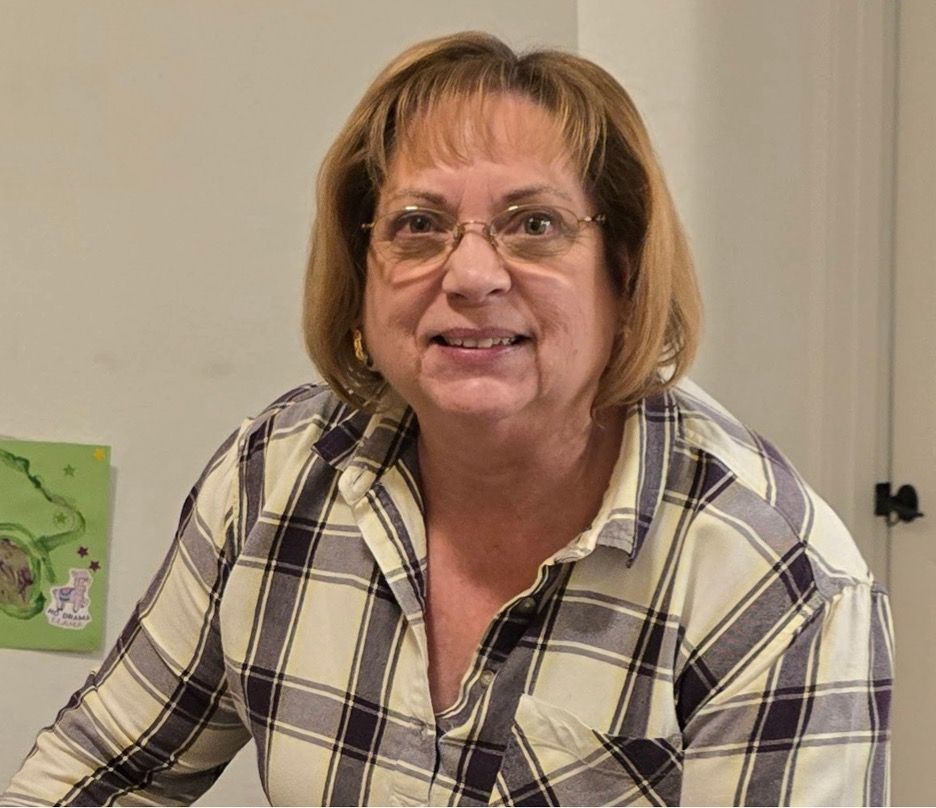
Laurie Alexander, MSW
Campaign Lead –
Hillcrest Church Bellingham WA